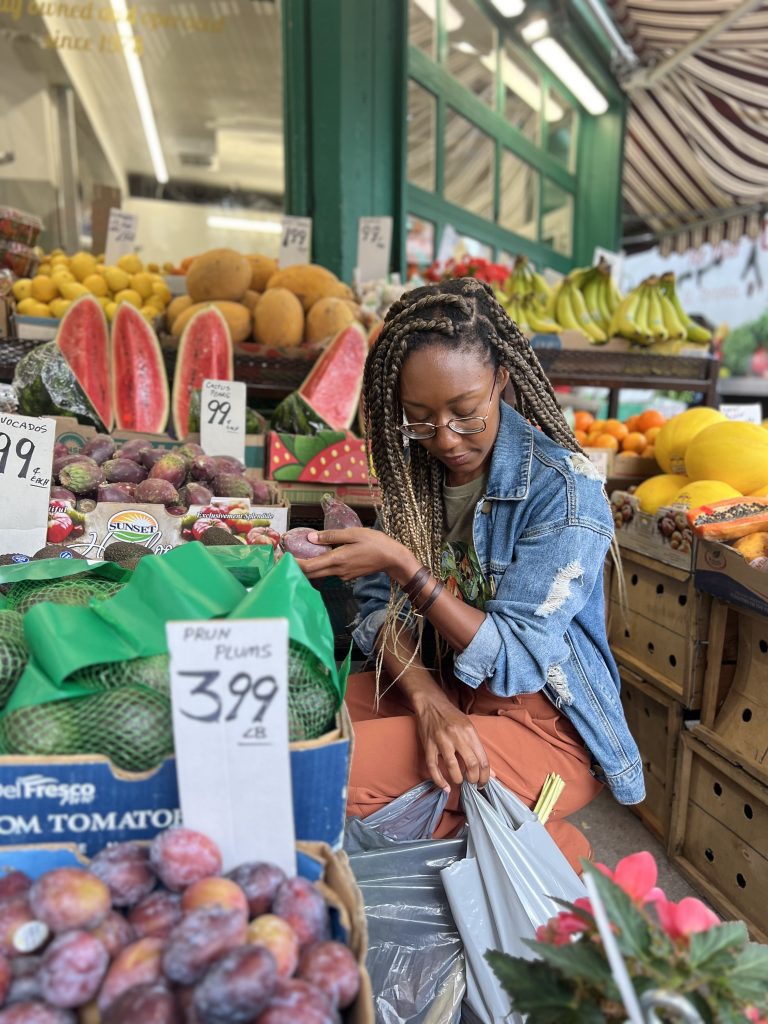
The Kitchen Legacy
I needed a way to transform my grief into something else.
It can be devastating and numbing watching the person you love lose themself more and more each day. When my father was diagnosed with early-onset Alzheimer’s disease, we could not have foreseen the challenges ahead. Despite the unavoidable uncertainty, I wish my family and I had been prepared to embrace our circumstances, grounded in self-compassion and equanimity. I also wish we understood that although the road ahead might not be what we would have chosen and that it would be arduous, it could also be an empowering opportunity to become more loving, more mindful, and closer to each other. Instead, our fears led the way and resulted in cognitive dissonance, traumatization, isolation, depression, burnout, and declining physical health for all of us.
After years of pushing through inadequate and even oppressive healthcare systems, mental health challenges, financial barriers, sexism, and racism, I started to question if life could be easier, more empowering, more healing, joyful, and nourishing despite the systems and circumstances that complicated our lives. So I turned to what I loved the most about my dad’s influence on me to explore a new way: food and family, along with the resilience and creativity my mother exhibited throughout this journey. Finally, my education exposed me to the language I needed to bring everything together:
“Womanism “is a form of feminism that has been said to be valuable in revealing the culture and history of Black women to create safe spaces of survival and wholeness for all people. It sets a stage whereby women transform spaces, activities, and roles to empower themselves in ways that benefit the entire community. The kitchen was once a place where enslaved Black women were confined, oppressed, and subjugated. However, they transformed the kitchen and the cooking experience into a space for healing, knowledge sharing, creativity, and control. A place of ethical care despite racial and gender hatred, where survival skills are passed down to their children to “help them develop ways to confront oppressive conditions” (Davis, 1999). The kitchen was used to help redefine their humanity and transcend oppressive locations by creating new grounds for liberation. Davis coins this as the “kitchen legacy”: how Black women overcome adversity despite dominating social constructs and the subsequent health complications manifested by them (1999).
Making Kitchen Legacies is my journey to help us all move within and beyond the social factors that impact our health by reimagining, creating, and sharing what it means to heal with the help of food, knowledge, compassion, and
community.
Mission:
Making memories through food. Nourishing through community nutrition
Vision:
To be the space where people go to create new memories while learning and practicing affirming and nourishing health promotion and health management through community nutrition.
Values:
We believe that authentic community connection and a sense of belonging are social determinants of health. We can use food as a way to reconnect us to our past, our present, our ourselves and our communities, locally and world-wide in ways that can restore our health.